 中文
中文


.png) Search
Search


 >
>  Return to List
IoT Electronics and Thermal Management
The IoT – Internet of Things – includes all devices connected to the Internet, a fast growing world, expanding well past PCs and smartphones. IoT devices are our every day and special purpose items like appliances, sensors, and motors.
Per one authority, an IoT product combines hardware and software, measures real-world signals, connects to the Internet, transfers data to a centralized location, and provides value to a customer. There are many such products, already in the tens of billions of IoT connected devices.
Consumer Uses
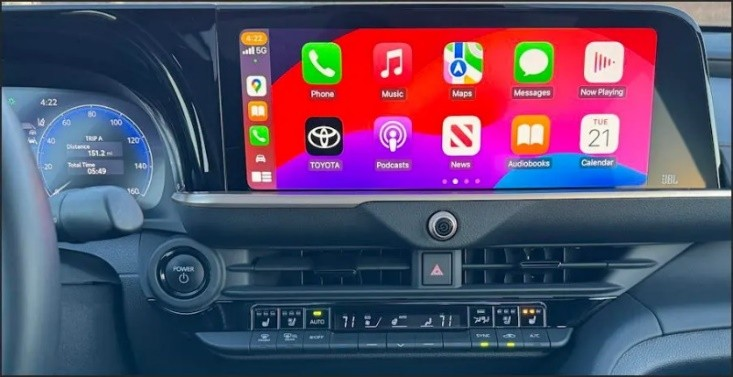
Among the most common IoT devices are smart speakers, headphones, appliances, and leak detectors. At the enterprise level are smart lighting and security systems in factories, office buildings and public places.
Automotive Use
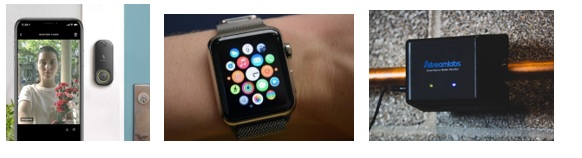
Secure, strong IoT connection is essential for today’s auto infotainment systems. It enables everything from music platforms to navigation aids to car maintenance and diagnostics. Connected cars have more and more software-reliant components in their cabins, under their hoods and just about everywhere. With IoT-connectivity these components can be updated with OTA (over the air) software fixes without visiting a garage or dealership.
Industrial Use
The IIoT – Industrial Internet of Things – consists mainly of sensors uploading localized data to monitor and control manufacturing processes. It is active in manufacturing, transportation, and other areas, from facility energy usage to equipment performance. IIoT devices collect, analyze, and share data with other devices and with everyone needing to know.
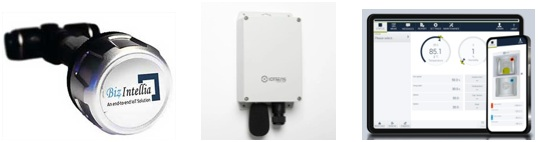
Left: Wireless Weight Sensor for Semi-Trailers Communicates with Smart Phones. Center: Sound Monitor Wirelessly Alerts Excessive Noise Levels in Work and Public Areas. Right: Digital Controller for Environmental Chamber Allows Smartphone Access.
IoT Connections
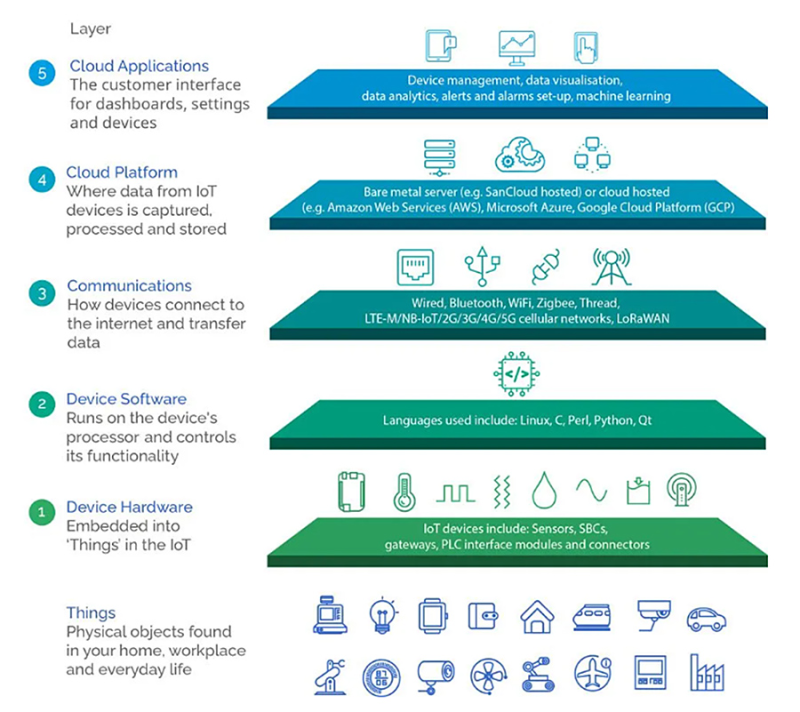
Devices like these described so far are one end of the IoT technology stack. They are the public-facing “things,” but just one layer of the stack. The data they send or receive travels up and down layers of connection points and software programs. At the stack’s other end are the device master applications and data storage residing in the datacenter-held cloud. Because IoT things/devices differ so widely by function, there are many different software platforms in use. The largest telecom and data companies are all active IoT developers in this continuously evolving arena.
Thermal Management Issues in the IoT
Connected consumer IoT devices, or things, are typically very low power. No added thermal management is needed. Power levels are more likely to increase with devices serving the Industrial IoT, though passive cooling, e.g. heat sinks, remedy most heat issues.
IoT – What Comes Next?
These days the IoT is focused on two more letters: AI. In fact, the Artificial Intelligence of Things (AIoT) takes the I (Internet) for granted and enables smart devices and systems to analyze data, make decisions, and act on that data without any interference of humans.
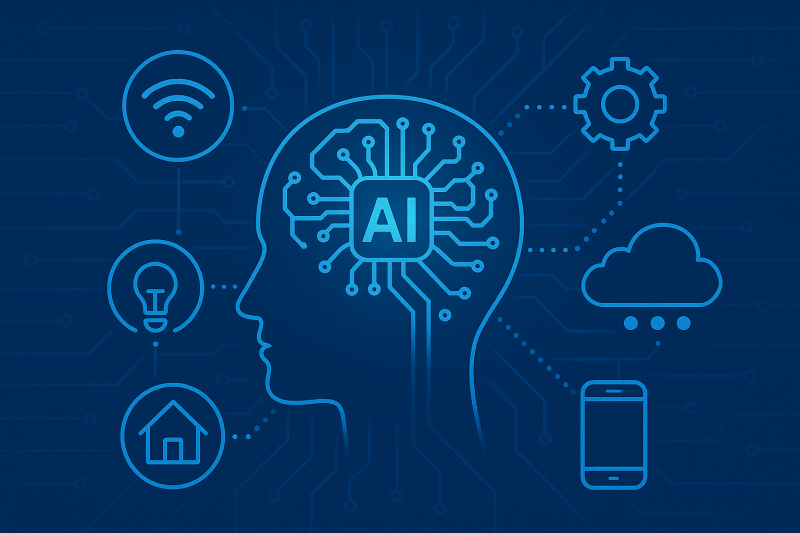
Most AIoT applications are currently retail product-oriented and focused on the implementation of cognitive computing in consumer appliances. For instance, computer vision systems can leverage facial recognition to recognize customers, and compile demographic and preferences data about them. Also, Tesla’s autopilot systems are using radars, sonars, GPS, and cameras to glean data about driving conditions. Then an AI system makes decisions about the data the internet of things devices are collecting to optimize the car’s piloting.